Thursday, June 4, 2020

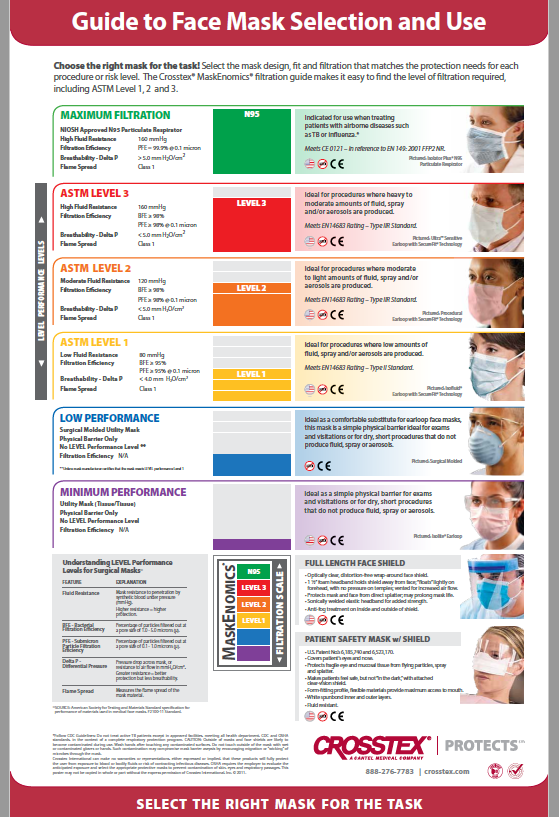
Level of Risk - Different Mask


for clear pic pls click below link.

Ever Wondered Why Surgeons Wear Only Green or Blue Overalls During a Surgery?

Here is the Answer

Every time there’s a surgery, however colorful attire the surgeons may have donned, the moment he or she enters an operation theatre, he wears that same green or blue overalls and the same cap. Wonder why he does that? Well, there are scientific reasons for it.

History Speaks

First, let’s go back to the year 1914.

White overalls of the surgeons during the 1900s

Before the blue or green dress code the surgeons used to wear white clothes during a surgery. However, according to an article published in 1998’s Today’s Surgical Nurse, in 1914 this trend came to an end with the help of a reputed doctor who introduced the green and blue overalls.

Blinding White Overalls

One of the scientific reasons behind the use of green or blue overalls is that surgeons may get blinded by the completely spotless white overalls once they shift their gaze from the dark red color of the blood to the white clothing of his or her colleagues.
One also experiences the same thing when he or she goes outside in winter and sees the sun’s reflection on the snow.  

Surgeons now wear green or blue overalls

Seeing Illusions During a Surgery is a Big 'NO'

The surgeons may also experience certain green illusions after gazing at blood for so long a time. Now, this tends to intensify if his or her co-surgeons wear white overalls as he or she may see distracting green illusions on the white surfaces (quite similar to the after effects of a camera flash). Whereas if it’s a color that is a complete opposite to red then, the illusions are greatly reduced.

Because Green and Blue are the Opposites of Red

While performing a surgery the surgeon mostly sees the color of the blood, tissues and muscles that are red and pink. After a point he is not able to sense the difference between the two as both the colors are associated. But looking at contrasting colors like blue or green helps the doctor to differentiate colors and concentrate on the patient and his or her anatomy.

Visibly Accurate

The green and blue overall, therefore, provides the surgeons with a visual accuracy enhancing their sensitivity to the different shades of red present in the patient’s blood. This not only helps the surgeons to prevent mistakes during surgery but also to pay more attention to their patient’s anatomy. 

Wednesday, June 3, 2020

Evaluation of surgical masks

Evaluation of surgical masks

In Europe, surgical masks must wear a CE-mark and comply with the requirements defined in EN 14683: Medical face masks - Requirements and test methods.
The standard defines surgical masks as: medical devices, covering the mouth, nose and chin ensuring a barrier that limits the transition of an infectious agent between the hospital staff and the patient.
In respect of the performances, the mask is tested as a final product and has to comply with different requirements.
The classification of the masks is based on the results from the following tests:
  • bacterial filtration efficiency (BFE)
  • breathability (delta P)
  • splash resistance (synthetic blood)
  • microbial cleanliness
  • biocompatibility
Because surgical masks are considered medical devices of class I, the manufacturer has to run a risk analysis and additional tests if needed to respond to the European Medical Device Regulation 2017/745.
There are no requirements regarding barrier against inert particles.

Evaluation of surgical masks in the US

The FDA (US Food and Drug Administration) is the organism that regulates medical devices on the USA market. Surgical masks are considered medical devices class 2.
The FDA has drafted standards to which manufacturers have to comply in order to receive a licence to sell the products on the market. The same standards apply to surgical masks, procedures, isolation, dental interventions and laser treatments.
The FDA strongly recommends that the manufacturer clearly indicates the use of the product on the package.
The masks are submitted to the same tests as the ones described in the European standard EN14683, except that the FDA also prescribes the measurement of filtration efficiency regaring inert particles (latex) and fire tests.
The US standard ASTM F2100-11 Standard specification for performance of material used in medical face masks describes the tests and requirements with which the materials have to comply that are used to produce the masks. Several tests are not run on the final product, but on the different materials have to be tested together in the way they will be used in the final mask.
The performances of the materials composing the mask are evaluated by five tests :
  • bacterial fitlration efficiency
  • breathability (delta P)
  • splash resistance
  • particle filtration efficiency
  • fire test
According to the results, the masks are classified in three levels.

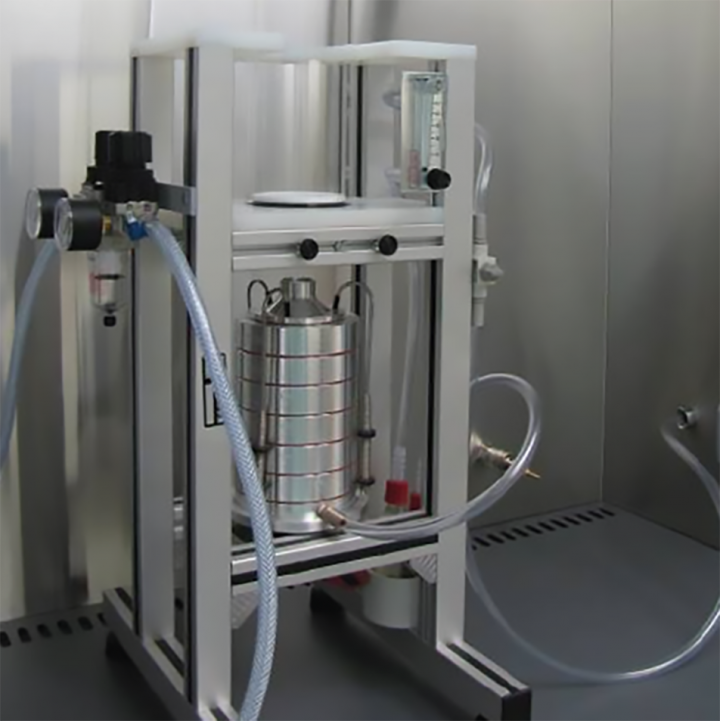
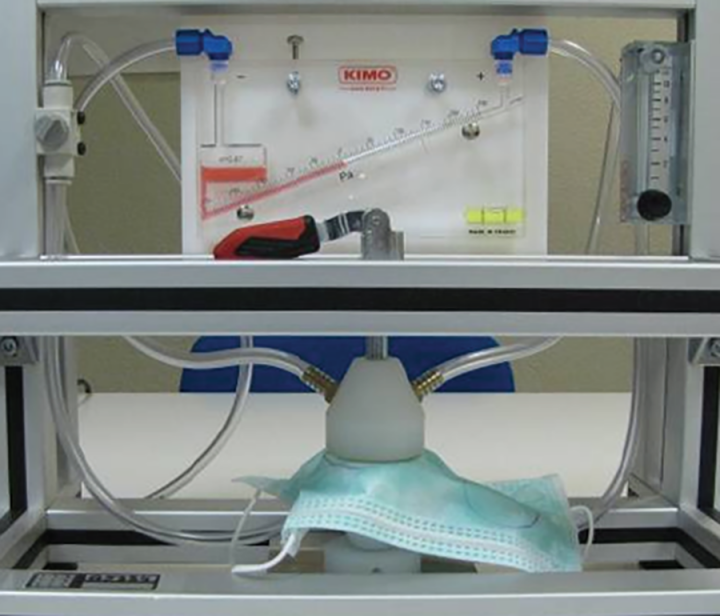
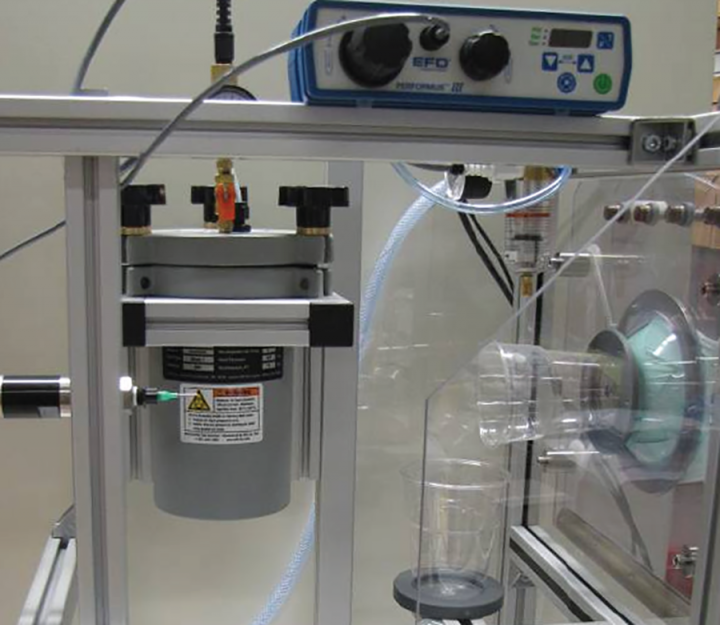
Centexbel equipment

bacterial filtration efficiency BFE
Bacterial filtration efficiency (BEF)

Bacterial filtration efficiency (BEF)

The EN 14683 standard method measures the effectiveness of a surgical mask in capturing aerosol droplets containing bacteria. The filtration efficiency depends on the particles or bacteria size, the air flow passing through the mask and the surface properties of the particles.

Principle

A specimen of the mask is inserted between an impactor and the chamber where the bacterial aerosol is produced. The bacterial aerosol (Staphylococcus aureus) arrives in the chamber "aerosol", goes through the specimen and is recuperated on Petri dishes placed in the impactor.
The efficiency of filtration of the mask is given by the percentage of bacteria that are stopped by the mask specimen, compared to a trial performed without specimen.
Depending on the type of facial mask, the required filtering levels are ≥ 95 % or 98%.
Respirability (Delta P)
Breathability (Delta P)

Breathability (Delta P)

This method measures the pressure drop across a surgical mask under specific conditions of airflow, temperature and humidity. The differential pressure is an indicator of the breathability of the mask, expressed in a differential pressure (∆P) in mm H2O/cm2 or Pascal/cm2.
the differential pressure is an indicator of the breathability of the mask
A differential pressure of viz. < 29,4 or < 49,0 Pascal/cm² is required for surgical masks of Type I and Type II.
The breathability of a surgical mask or its properties to let air through depends on a series of parameters such as the nature of the textile, the applied finish, the number of layers or its thickness.
Splash resistance
Splash resistance

Splash resistance

EN 14683 refers to the standard ASTM F1862 9 ‘Resistance of medical face mask to penetration by synthetic blood’.

This test method is used to evaluate the resistance of medical face masks to penetration by the impact of a small volume (~2 ml) of a high velocity stream of synthetic blood. The impact speeds and volumes of synthetic blood are chosen to simulate different scenarios in the operating theatre.
The masks are evaluated at speeds of 450, 500 and 635 cm/s. These speeds correspond to the puncturing of a small blood vessel at a vessel pressure of viz. 10.6, 16 and 21.3 kPa (80, 120 and 160 mmHg).
medical facemask pass/fail determinations are based on visual detection of synthetic blood penetration
Prior to the test, the masks are conditioned over a period of four hours in a very humid environment (85% ± 5% at 21°C ± 5° C) to simulate the conditions of use corresponding to the humidity created by the respiration of the wearer of the mask. Medical facemasks pass/fail determinations are based on visual detection of synthetic blood penetration.
Thankx : Centexbel 

Thursday, May 28, 2020

Basic on Micro organism for Hygienic Production.

Germs: Viruses, Bacteria, and Fungi

What is a germ?

The term 'germ' actually refers to any microorganism, especially those microorganisms that cause disease. Included in this category are certain viruses, bacteria, and fungi. What is the difference between these three types of microbes? Which ones cause which diseases, and should they be treated differently? Because viruses, bacteria, and fungi cause many well-known diseases, it is common to confuse them, but they are as different as a mouse and an elephant. A look at the size, structure, reproduction, hosts, and diseases caused by each will shed some light on the important differences between these germs.

What is a virus?

Viruses are very tiny, simple organisms. In fact, they are so tiny that they can only be seen with a special, very powerful microscope called an "electron microscope," and they are so simple that they are technically not even considered "alive." There are six characteristics of all living things:
- Adaptation to the environment
- Cellular makeup
- Metabolic processes that obtain and use energy
- Movement response to the environment
- Growth and development
- Reproduction
A virus is not able to metabolize, grow, or reproduce on its own, but must take over a host cell that provides these functions without the aid of a host cell, and is therefore not considered "living." The structure of a virus is extremely simple and is not sufficient for the independent life of the microbe.
Structure: Each virus is made up of two elementary components. The first is a strand of genetic material, either deoxyribonucleic acid (DNA) or ribonucleic acid (RNA). Unlike living cells, viruses will have either DNA or RNA, but not both. The genetic material is a blueprint for determining the structure and behavior of a cell. In a virus, a protein coat called a "capsid" surrounds the nucleic acid. This coat serves to protect the nucleic acid and aid in its transmission between host cells. The capsid is made of many small protein particles called "capsomeres," and can be formed in three general shapes — helical, icosahedral (a 20-sided figure with equilateral triangles on each side), and complex. Some of the more advanced viruses have a third structure that surrounds the capsid. This is called the "envelope" and is composed of a bilipid layer, like the membrane on a cell, and glycoproteins, which are protein and carbohydrate compounds. The envelope serves to disguise the virus to look like a 'real' cell, protecting it from appearing as a foreign substance to the immune system of the host. The structure of a virus is closely related to its mode of reproduction.
Reproduction: A virus's sole purpose is to reproduce, but it needs a host cell to do so. Once a suitable host cell has been located, the virus attaches to the surface of the cell or is ingested into the cell by a process called "phagocytosis." It then releases its genetic material into the cell, and essentially shuts down normal cell processes. The cell stops producing the proteins that it usually makes and uses the new blueprint provided by the virus to begin making viral proteins. The virus uses the cell's energy and materials to produce the nucleic acid and capsomeres to make numerous copies of the original virus. Once these 'clones' are assembled, the virus causes the host cell to rupture, releasing the viruses to infect neighboring cells.

What is a virus? (continued)

Hosts and resistance: Viruses are known to infect almost any kind of host that has living cells. Animals, plants, fungi, and bacteria are all subject to viral infection. But viruses tend to be somewhat particular about what type of cells they infect. Plant viruses are not equipped to infect animal cells, for example, though a certain plant virus could infect a number of related plants. Sometimes, a virus may infect one creature and do no harm, but cause havoc when it gets into a different but closely related creature. For example, deer mice carry the Hantavirus without much noticeable effect on the rodents, but if Hantavirus infects a person, it causes a dramatic, and frequently deadly, disease marked by excessive bleeding. Most animal viruses, however, are species specific. This means, they will infect one species of animal. For instance, feline immunodeficiency virus (FIV) will only infect cats; human immunodeficiency virus (HIV) will only infect humans.
What does the host do in order to fight off the invasion of a virus? Any foreign substance introduced into the body produces what is called an "immune response." Through this process, the host's body produces antibodies. Antibodies are substances that will destroy an invader and prevent the host from contracting the same disease again in the future. Antibodies are specific to each invader, and each time that a new disease is contracted, a new set of antibodies will have to be manufactured. This process of making antibodies specific to the infecting virus takes about seven days. In the meantime, the cell infected with a virus produces small proteins called "interferons." These interferons are released within three to five days and function to prevent infection in neighboring cells until the antibodies can be made. Needless to say, research on the benefit of interferons in viral treatment is underway, but the actual mechanism of an interferon is not entirely known. There are some antiviral medications that can be administered in the case of viral infection, but the body's immune system is largely relied upon to fight off these kinds of infections.

What are bacteria?

Bacteria are very different from viruses. First of all, bacteria are much larger in size. The largest virus is only as big as the very smallest bacterium (singular for bacteria). But bacteria are still microscopic and cannot be seen with the naked eye. They are so small that the sizes of bacteria are measured in micrometers (10,000 micrometers = 1 centimeter). By comparison, the head of a pin is about 1000 micrometers wide. Though more complex than a virus, the structure of a bacterium is still relatively simple.
Structure: Most bacteria have an outer, rigid cell wall. This provides shape and support. Lining the inside of the cell wall is a plasma membrane. This is like the membrane found around all living cells that provides both a boundary for the contents of the cell and a barrier to substances entering and leaving. The content inside the cell is called "cytoplasm." Suspended in the cytoplasm are ribosomes (for protein synthesis), the nucleoid (concentrated genetic material), and plasmids (small, circular pieces of DNA, some of which carry genes that control resistance to various drugs). All living cells have ribosomes, but those of bacteria are smaller than those found in any other cell. Some antibacterial medicines have been made that attack the ribosomes of a bacterium, leaving it unable to produce proteins, and therefore killing it. Because the ribosomes are different, the cells of the host are left unharmed by the antibiotic. Other antibiotics target certain portions of the cell wall. Some bacteria have long, whip-like structures called "flagella" that they use for movement.

What are bacteria? (continued)

Bacteria can occur in three basic shapes:
- Coccus (spheres)
- Bacillus (rods)
- Spirillum (spirals)
Reproduction: Bacteria undergo a type of asexual reproduction known as "binary fission." This simply means they divide in two, and each new bacterium is a clone of the original — they each contain a copy of the same DNA. Bacteria can reproduce very quickly. In fact, in an ideal laboratory situation, an entire population of bacteria can double in only twenty minutes. At this enormous growth rate, one bacterium could become a BILLION (1,000,000,000) bacteria in just 10 hours! Luckily, there are neither enough nutrients nor space available to support this rapid growth, or the world would be overrun with bacteria. As it is, bacteria can be found living on almost any surface and in almost any climate in the world.
Hosts and resistance: As stated, bacteria can grow nearly everywhere. These microbes have been around for billions of years because they are able to adapt to the ever-changing environment. They can find a home anywhere, and some of them live in places where it was once thought 'nothing' could survive. There are bacteria in the soil, at the depths of the ocean, living in the mouth of volcanoes, on the surfaces of teeth, and in the digestive tracts of humans and animals. They are everywhere and are very numerous. For example, a single teaspoon of soil is said to contain at least 1,000,000,000 bacteria. Most often, bacteria are thought of as a bad thing, but most bacteria are not pathogenic (disease-causing). In fact, many bacteria are very helpful to us. There are species that decompose trash, clean up oil spills, and even produce medicines. The few species that are pathogenic, however, give the rest of the bacteria a bad name.
Pathogens are rated on two characteristics — invasiveness and toxigenicity. Invasiveness is a measure of the bacterium's ability to grow inside the host, and toxigenicity measures the capacity of the bacterium to produce toxins (chemical substances that cause damage to the host). The combination of these two characteristics gives the final rating of the bacteria's virulence (ability to cause disease). A species does not necessarily need to have both high invasiveness and high toxigenicity to be rated highly virulent. One or the other can be high enough to cause the bacterium to be very virulent. For example, the bacterium Streptococcus pneumoniae (causes pnuemonia) does not produce a toxin, but it is so highly invasive that it causes the lungs to fill up with fluid from the immune response. In contrast, the bacteria Clostridium tetani (causes tetanus) is not very invasive, but it produces a potent toxin that causes damage at a very small concentration.
How does the body fight off a bacterial infection? Again, the body mounts an immune response to the foreign invader, producing antibodies for immediate help and future protection. Since this process takes about a week, antibiotics are usually employed in the meantime. Antibiotic drugs are usually only successful in treating bacterial infections, not viral, or fungal infections. Professionals are becoming concerned that the overuse of antibiotics when they are not needed may lead to the mutation of normal bacteria into antibiotic-resistant bacteria. Bacteria are very resilient and have already developed resistance to many antibiotics. Another concern is that the helpful bacteria that live in the digestive tract may also fall prey to the antibiotics. These bacteria, known as "natural flora," produce vitamins that the host organism uses and needs, as well as help in the digestion of food.

What is a fungus?

Fungi (plural for fungus) are different from both viruses and bacteria in many ways. They are larger, plant-like organisms that lack chlorophyll (the substance that makes plants green and converts sunlight into energy). Since fungi do not have chlorophyll to make food, they have to absorb food from whatever they are growing on. Fungi can be very helpful — brewing beer, making bread rise, decomposing trash — but they can also be harmful if they steal nutrients from another living organism. When most people think of fungi they picture the mushrooms that we eat. True, mushrooms are important fungi, but there are other forms such as molds and yeasts.
Structure: The main identifying characteristic of fungi is the makeup of their cell walls. Many contain a nitrogenous substance known as "chitin," which is not found in the cell walls of plants, but can be found in the outer shells of some crabs and mollusks. Most fungi are multicellular (made up of many cells), with the exception of the yeasts. The cells make up a network of branching tubes known as "hyphae," and a mass of hyphae is called a "mycelium." The insides of the cells look a little different than bacterial cells. First of all, the genetic material is gathered together and enclosed by a membrane in what is called the "nucleus." Also, there are other structures called "organelles" in the cell that help the cell to function, such as mitochondria (converts energy), endoplasmic reticulum (ER) (makes complex proteins), and other organelles. The Golgi apparatus forms many types of proteins and enzymes. Lysosomes contain enzymes and help digest nutrients. Centrioles are necessary for proper division of the cell. Both bacteria and fungi have ribosomes, but those of the bacteria are smaller in size and also reproduce differently.
Reproduction: Fungi can reproduce in multiple ways depending upon the type of fungus and the environmental conditions:
- Budding
- Fragmentation
- Production of spores asexually
- Production of spores sexually
Budding occurs in yeasts, which are only made up of one cell. Budding is somewhat similar to binary fission in bacteria, in that the single cell divides into two separate cells.
Fragmentation is a mode of reproduction used by those fungi that form hyphae. During fragmentation, some of the hyphae break off and simply start growing as new individuals.
Spores are tiny single cells that are produced by fungi that have hyphae. They can be produced asexually by a process in which the tips of the hyphae form specially encased cells - the spores. Some fungi also produce spores sexually. Two types of special cells called "gametes" are produced. One of each type unite to produce a new individual spore. Spores are tiny single cells that are usually very resistant to environmental changes. They can remain dormant for long periods of time until the conditions are right for them to develop into mature individuals.

What is a fungus? (continued)

Hosts and resistance: Fungi are heterotrophs, meaning that they secrete digestive enzymes and absorb the resulting soluble nutrients from whatever they are growing on. For this reason they are great decomposers in the ecosystem, but they can also cause problems when they begin to absorb nutrients from a living organism. They most commonly are breathed in or have contact with the skin. If conditions are right and they start to reproduce, disease can result. Some antifungal agents are available to treat these infections, but it has been much more difficult for scientists to create successful antifungal drugs than antibacterial drugs because the cells of fungi are much closer in structure to the cells of animals than are bacteria. In creating drugs, it is hard to find an agent that will kill the fungal cells and leave the animal cells unharmed. The most successful drugs that have been created prevent the formation of chitin, and therefore prevent the fungus from creating new cell walls and spreading. The cell wall is the only structure that is not shared by the animal and fungal cells. Other drugs bind to specific fungal proteins and prevent growth. Unfortunately, many of the drugs available are only fungistatic, meaning they can only prevent further growth rather than fungicidal, meaning to kill the fungus. Many of the drugs used for serious fungal infections have potentially toxic side effects.
Thankx : Animalplanet.com 

Monday, January 27, 2020

SPONTANEOUS COMBUSTION IN LAUNDRY – A HOT TOPIC INDEED!

Much has been made of tumble dryer fires in the news recently; a number of household fires and some fatalities have occurred as a result of defective tumble dryers or of users not cleaning their machines properly, however these are not the only causes of fires in the dried laundry.
If you don’t clean the filters of the tumble dryer or you continue to use the machine, even though you can detect an odd burning smell each time you use it, there is no surprise perhaps when the machine bursts in to flames at some point or incinerates the washing inside it. But what if you have taken the laundry out of the dryer and stacked it neatly in the airing cupboard or in a plastic laundry basket for putting away later? Or maybe you are drying someone else’s laundry and you have tied it up in a plastic bag for transporting? Would you expect it to suddenly burst in to flames perhaps hours later?
It happens, it is not that common thankfully but there is much evidence out there to support several studies of the possible causes of “spontaneous combustion” of laundered textiles.
It seems that whether it concerns commercial laundries that dry tea towels for restaurants, restaurants doing their own laundry or home launderers, a number of fires have occurred when the dried laundry is left in piles, trucks or bags ready for re-use. Researchers have dubbed this “Spontaneous Combustion”. It might be less frequent but there are instances where home laundry has burst in to flame or as some would describe it, exploded!
Auto Ignition
The researchers say this is caused by oxidation within the laundry when it is hot i.e. it begins whilst it is still in the dryer. If the laundry has not been allowed to cool down fully before folding or packing, then that oxidation continues and because of the packed nature of the materials, the heat from oxidation cannot escape or dissipate, so it builds up to a point when the internal temperature reaches the “auto-ignition temperature” for the material and a fire starts.

AUTO IGNITION TEMPERATURES OF SOME FIBRES

Fibre
Ignition Temperature (°C)
Cotton
255
Viscose
420
Nylon
575
Polyester
560
Wool
600
Oxidation
Oxidation is a decaying process; the reaction caused by the combination of materials in the laundry with oxygen, which then produces a chemical breakdown of the material and consequent heat generation.
In the case of fire, it is the reaction of combustible material with oxygen that produces heat release. As the temperature increases so does oxidation – a sort of chain reaction. When heat cannot be dissipated, as we have already said, it builds upon itself and because the bundle is insulating the heat inside, fire can result.
Fabrics, especially those with high cotton content, are combustible either as cloths, uniforms, rags or lint. The ignition point for these materials is referred to as the critical surface temperature. Cotton begins to oxidise at a surface temperature of 95 degrees centigrade.
Remember: the more flammable the material is and/or the denser the pile of the material is, the greater is the opportunity for fire.
Contamination
Another source of fuel and oxidation in laundry is contaminants even if only as traces left in the fabric after laundering. Described as “unsaturated fats”, these originate from cleaning products, cooking oils, sweat, animal fats or mixtures of plant oils and mineral oils (such as would be used in gymnasiums and health clubs). If the laundering process is not sufficient to remove these contaminants from the fabric, the opportunity for oxidation and therefore fire from spontaneous ignition increases.
Moisture
We have mentioned moisture in the above paragraphs; this too can cause heat to be generated, adding to the heat from the drying and that from oxidation. This is “heat of wetting”. This is not normally a property of great interest to textile people. It is mentioned to students in their early years, usually about wool, to demonstrate how interesting textiles are. It is said by way of an example that Scottish gentry wear wool plaid and Harris Tweed etc because of the Scottish climate in the Glens. The wetness of the atmosphere causes an exothermic reaction in the wool which then keeps the wearer warm. Wool however is not the only fibre to exhibit this property (see the table below). Of course in a case like a closely bound stack of hot, moist laundry, unlike the Laird’s tweed jacket, this heat is contained and cannot escape as we have shown above and simply adds to the rising temperature inside the bundle

HEAT OF WETTING

Fibre
Heat of wetting (joules/g)
Cotton
46
Viscose
106
Wool
113
Nylon
31
Polyester
5
Heat Sources in the Laundry that contribute to spontaneous ignition
1.    Heat from the dryer.
2.    Heat trapped in the items after drying and piled in carts or stacks without sufficient cool-down.
3.    Heat from external sources when stored in a constantly warm place as in a sunny area or airing cupboard thereby adding to heat contained in them from the drying process.
4.    Heat from the oxidation reaction.
5.    Heat of wetting
If the hot moist bundle is stored in a plastic basket, plastic bag or as with some commercial laundries, a plastic wheeled bin, the risk of fire is increased simply because the plastic e.g. polyethylene, is not only an insulator reducing air circulation, but may have a low “auto ignition temperature” itself making this a primary cause of initial ignition!
What to do to avoid fires in or around the dryer
1.    Ensure the dryer is well maintained and the exhausted air is not restricted in any way.
2.    Ensure there is no build up of lint in filters and ducting. Clean them regularly.
3.    Always allow the dryer to go through its “cool down” cycle fully before unloading the machine.
4.    Allow the laundry to air and cool properly before storage.
5.    Never store warm laundry in drawers, cupboards or airing cupboards until they are cool.
6.    Don’t leave warm laundry unattended in piles or stacks and especially not in plastic containers.
Thankx SGS. Source SGS website.
for more topic click belwo link
Click here to learn more about SGS seminars on practical subjects of use to those working in Consumer Goods and Retail.

Wednesday, September 18, 2019

Disinfectants and Sterilization Methods

General Description

The purpose of this Guidance Document for Disinfectants and Sterilization Methods is to assist lab personnel in their decisions involving the judicious selection and proper use of specific disinfectants and sterilization methods.

Introduction

The purpose of this Guidance Document for Disinfectants and Sterilization Methods is to assist lab personnel in their decisions involving the judicious selection and proper use of specific disinfectants and sterilization methods. For information concerning the proper disposal of all disinfected or sterilized waste, please refer to the Generators’ Guide to Hazardous Material / Waste Management.

Definitions

Antisepsis: A process involving the destruction or inhibition of mico-organisms in living tissue thereby limiting or preventing the harmful effects of infection.
Antiseptic: Typically an antiseptic is a chemical agent that is applied to living tissue to kill microbes. Note that not all disinfectants are antiseptics because an antiseptic additionally must not be so harsh that it damages living tissue. Antiseptics are less toxic than disinfectants used on inanimate objects. Due to the lower toxicity, antiseptics can be less active in the destruction of normal and any pathogenic flora present.
Autoclave: An autoclave is a high pressure device used to allow the application of moist heat above the normal-atmosphere boiling point of water.
Biocidal: Active substances and preparations which serve to repel, render harmless or destroy chemically or biologically harmful organisms.
Biocide: Substance or chemical that kills biological organisms.
Decontamination: The killing of organisms or removal of contamination after use, with no quantitative implication, generally referring to procedures for making items safe before disposal.
Disinfectant: A germicide that inactivates virtually all recognized pathogenic microorganisms but not necessarily all microbial forms. They may not be effective against bacterial spores.
Disinfection: A procedure of treatment that eliminates many or all pathogenic microorganisms with the exception of bacterial spores.
Germicide: An agent that destroys microorganisms, particularly pathogenic microorganisms.
Pathogenic: A microbe or other organism that causes disease.
Sanitization: The process of reducing microbial contamination to an acceptable “safe” level. The process of cleaning objects without necessarily going through sterilization.
Steam Sterilization: Autoclave, the process of sterilization by the use of heated steam under pressure to kill vegetative microorganisms and directly exposed spores. Common temperature and pressure for being effective is 121°C (250°F) at 15 psi (pounds per square inch) over pressure for 15 minutes. Special cases may require a variation of the steam temperature and pressure used.
Sterilization: The complete elimination or destruction of all forms of life by a chemical or physical means. This is an absolute not a relative term.

A. Disinfectants

The information presented in this section will provide a general guideline for selecting a particular disinfectant for use with a given agent.
The best way of ascertaining the suitability of a disinfectant against a particular agent is to challenge that agent with the disinfectant at the manufacturer’s recommended concentration. A brief description of the mode of action of each class of chemical disinfectant is given below.
Although physical methods are often superior to chemical disinfection / sterilization, it is not practical to autoclave or subject many items to high heat, especially if the items can be damaged through repeated exposure to heat. Treatment of inert surfaces and heat labile materials can be accomplished through the use of disinfectants, provided that the following factors are considered:
  • type and level of microbial contamination
  • concentration of active ingredient
  • duration of contact between disinfectant and item to be disinfected
  • pH
  • temperature
  • humidity
  • presence of organic matter or soil load
The interplay of these factors will determine the degree of success in accomplishing either disinfection or sterilization. In all situations, review the manufacturer’s recommendations for correct formulation and use. Do not attempt to use a chemical disinfectant for a purpose it was not designed for.
Most Environmental Protection Agency (EPA)-registered disinfectants have a 10-minute label claim. However, multiple investigators have demonstrated the effectiveness of these disinfectants against vegetative bacteria (e.g., Listeria, Escherichia coli, Salmonella, vancomycin-resistant Enterococci, methicillin-resistant Staphylococcus aureus), yeasts (e.g., Candida), mycobacteria (e.g., Mycobacterium tuberculosis), and viruses (e.g. poliovirus) at exposure times of 30–60 seconds. Federal law requires all applicable label instructions on EPA-registered products to be followed (e.g., use-dilution, shelf life, storage, material compatibility, safe use, and disposal).
EPA’s Registered Sterilizers, Tuberculocides, and Antimicrobial Products Against Certain Human Public Health Bacteria and Viruses can be found at http://www.epa.gov/oppad001/chemregindex.htm
Microbial Resistance to Chemical Disinfectants:
More ResistantType of MicrobeExamples
.Bacterial SporesBacillus subtilis
.MycobacteriaMycobacterium tuberculosis
Mycobacterium bovis
.Hydrophilic Viruses (non-liquid, non-enveloped)Coxsackievirus Rhinovirus
.FungiCryptococcus sp.
Candida sp.
.Vegitative BacteriaStreptococcus pneumoniae
Staphylococcus aureus
Less ResistantLipophilic Viruses (lipid containing, enveloped)Herpes Simplex
Cytomegalovirus

1. Chemical Disinfectant Groups

a. Aldehydes: (Formaldehyde, Paraformaldehyde, Glutaraldehyde)

Formaldehyde – and its polymerized solid paraformaldehyde have broad-spectrum biocidal activity and are both effective for surface and space decontamination. As a liquid (5% concentration), formaldehyde is an effective liquid decontaminant. Its biocidal action is through alkylation of carboxyl, hydroxyl and sulfhydryl groups on proteins and the ring nitrogen atoms of purine bases. Formaldehyde’s drawbacks are reduction in efficacy at refrigeration temperature, its pungent, irritating odor, and several safety concerns. Formaldehyde is presently considered to be a carcinogen or a cancer-suspect agent according to several regulatory agencies. The OSHA 8-hour time-weighted exposure limit is 0.75 ppm.
Paraformaldehyde – is a solid polymer of formaldehyde. Paraformaldehyde generates formaldehyde gas when it is depolymerized by heating to 232 to 246°C (450 to 475°F); the depolymerized material reacts with the moisture in the air to form formaldehyde gas. This process is used for the decontamination of large spaced and laminar-flow biological safety cabinets when maintenance work or filter changes require access to the sealed portion of the cabinet. A neutralization step, heating ammonium carbonate, is required prior to ventilation of the space. Formaldehyde gas can react violently or explosively (7.0 – 73% v/v in air), when exposed to incompatibles, therefore, only individuals that have specific training and have been approved by the Dept. of Environmental Health & Safety are permitted to use this gas.
Glutaraldehyde – is a colorless liquid and has the sharp, pungent odor typical of all aldehydes, with an odor threshold of 0.04 parts per million (ppm). It is capable of sterilizing equipment, though to effect sterilization often requires many hours of exposure. Two percent solutions of glutaraldehyde exhibit very good activity against vegetative bacteria, spores and viruses. It is ten times more effective than formaldehyde and less toxic. However, it must be limited and controlled because of its toxic properties and hazards. It is important to avoid skin contact with glutaraldehyde as it has been documented to cause skin sensitization. Glutaraldehyde is also an inhalation hazard. The NIOSH ceiling threshold limit value is 0.2 ppm.
Cidex, a commercially prepared glutaraldehyde disinfectant is used routinely for cold surface sterilization of clinical instruments. Glutaraldehyde disinfectants should always be used in accordance with the manufacturer’s directions.

b. Halogen-Based Biocides: (Chlorine Compounds and Iodophores)

1. Chlorine Compounds

Chlorine compounds are good disinfectants on clean surfaces, but are quickly inactivated by organic matter and thus reducing the biocidal activity. They have a broad spectrum of antimicrobial activity and are inexpensive and fast acting. Hypochlorites, the most widely used of the chlorine disinfectants, are available in liquid (e.g., Sodium hypochlorite), household bleach and solid (e.g., calcium hypochlorite, sodium dichloroisocyanurate) forms. Household bleach has an available chlorine content of 5.25%, or 52,500 ppm. Because of its oxidizing power, it loses potency quickly and should be made fresh and used within the same day it is prepared. The free available chlorine levels of hypochlorite solutions in both opened and closed polyethylene containers are reduced to 40% to 50% of the original concentration over a period of one month at room temperature.
There are two potential occupational exposure hazards when using hypochlorite solutions. The first is the production of the carcinogen bis-chloromethyl ether when hypochlorite solutions come in contact with formaldehyde. The second is the rapid production of chlorine gas when hypochlorite solutions are mixed with an acid. Care must also be exercised in using chlorine – based disinfectants which can corrode or damage metal, rubber, and other susceptible surfaces. Bleached articles should never be autoclaved without reducing the bleach with sodium thiosulfate or sodium bisulfate.
Chloramine T which is prepared from sodium hypochlorite and p-toluenesulfonamide is a more stable, odorless, less corrosive form of chlorine but has decreased biocidal activity in comparison to bleach.

2. Iodophors

Iodophors are used both as antiseptics and disinfectants. An iodophor is a combination of iodine and a solubilizing agent or carrier; the resulting complex provides a sustained-release reservoir of iodine and releases small amounts of free iodine in aqueous solution. Antiseptic iodophors are not suitable for use as hard-surface disinfectants because they contain significantly less free iodine than do those formulated as disinfectants.
Wescodyne, Betadyne, Povidone-Iodine and other iodophors are commercially available Iodine-based disinfectants, which give good control when the manufacturer’s instructions for formulation and application are followed. Both bleach and iodophors should be made up in cold water in order to prevent breakdown of the disinfectant.

c. Quaternary Ammonium Compounds: (Zephirin, CDQ, A-3)

Quaternary ammonium compounds are generally odorless, colorless, nonirritating, and deodorizing. They also have some detergent action, and they are good disinfectants. However, some quaternary ammonium compounds activity is reduced in the presence of some soaps or soap residues, detergents, acids and heavy organic matter loads. They are generally ineffective against viruses, spores and Mycobacterium tuberculosis. Basically these compounds are not suitable for any type of terminal disinfection.
The mode of action of these compounds is through inactivation of energy producing enzymes, denaturation of essential cell proteins, and disruption of the cell membrane. Many of these compounds are better used in water baths, incubators, and other applications where halide or phenolic residues are not desired.

d. Phenolics: (O-phenophenoate-base Compounds)

Phenolics are phenol (carbolic acid) derivatives. These biocides act through membrane damage and are effective against enveloped viruses, rickettsiae, fungi and vegetative bacteria. They also retain more activity in the presence of organic material than other disinfectants. Cresols, hexachlorophene, alkyl- and chloro derivatives and diphenyls are more active than phenol itself. Available commercial products are Lysol, Pine-Sol, Amphyl, O-syl, Tergisyl, Vesphene, L- Phase and Expose.

e. Acids/Alkalis:

Strong mineral acids and alkalis have disinfectant properties proportional to the extent of their dissociation in solution. Some hydroxides are more effective than would be predicted from their values. In general acids are better disinfectants than alkalis. Mode of action is attributed to an increase of H+ and OH– species in solutions which interfere with certain microbial functions, however the total effect is not only dependent on pH alone. Weak organic acids are more potent than inorganic acids despite low dissociation rates in solution. Action is attributed to the disruption of 2° and 3° conformation of enzymes and structural proteins.

f. Heavy Metals:

Soluble salts of mercury, silver lactate, mercuric chloride and mercurous chloride are efficient bactericidal agents. Silver nitrate and mercuric chloride are commonly used as 1:1000 aqueous solutions. Action is through attack on protein sulfhydryl groups and disruption of enzyme functions. Organic matter can reverse the disinfectant properties of mercurials.
Caution: Please consult with EH&S’s Hazardous Materials group prior to using heavy metals because many of these must be disposed of as a hazardous waste. Specifically, disposal of elemental mercury and salts of mercury are very costly.

g. Alcohols:

Alcohols work through the disruption of cellular membranes, solubilization of lipids, and denaturation of proteins by acting directly on S-H functional groups. Ethyl and isopropyl alcohols are the two most widely used alcohols for their biocidal activity. These alcohols are effective against lipid-containing viruses and a broad spectrum of bacterial species, but ineffective against spore-forming bacteria. They evaporate rapidly, which makes extended contact times difficult to achieve unless the items are immersed.
The optimum bactericidal concentration for ethanol and isopropanol is in the range of 60% to 90% by volume. Their cidal activity drops sharply when diluted below 50% concentration. Absolute alcohol is also not very effective. They are used to clean instruments and wipe down interior of Biological Safety Cabinets and bottles, etc. to be put into Biological Safety Cabinets. Alcohols are generally regarded as being non-corrosive.
more info https://ehs.colorado.edu/resources/disinfectants-and-sterilization-methods/ thankx.